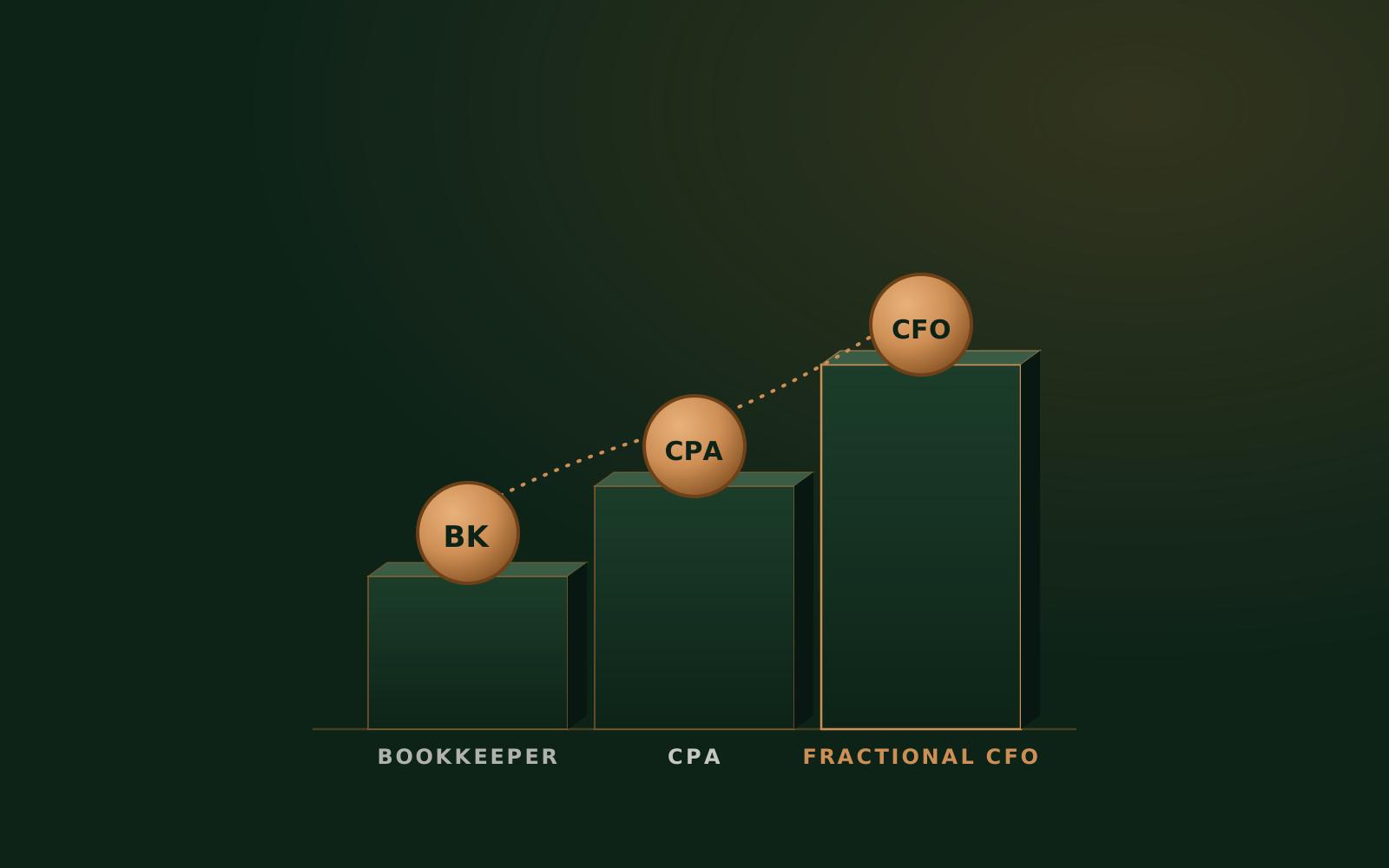
At SA Accountancy, this is the single most common question from growing businesses trying to build out their finance function: a bookkeeper records and reconciles your day-to-day transactions, a CPA or chartered accountant handles compliance, tax filings, and historical financial statements, and a fractional CFO takes on forward-looking strategic work — cash strategy, fundraising, and financial systems. Most businesses need more than one of these, layered as they grow, not a single choice between them.
What a bookkeeper actually does
Recording invoices, bills, and payments, reconciling bank accounts, and closing the books each month — the operational foundation everything else depends on. Without accurate, current books, neither a CPA's filings nor a CFO's strategic advice have reliable numbers to work from.
What a CPA or accountant adds on top
Compliance, tax filings, and financial statement preparation. A CPA's view is largely backward-looking: making sure last year's numbers are accurate, compliant, and correctly filed with the relevant authorities.
What a fractional CFO does that neither of the above covers
Cash runway planning, fundraising strategy, board reporting, and financial systems design — the role a full-time CFO would hold, but part-time. A CFO is largely answering "what should we do next," where a bookkeeper and CPA are mostly answering "what already happened."
How to know which one — or which combination — you need
- Books are behind or inconsistent → start with bookkeeping
- Books are current but tax and compliance feels stressful each year → add a CPA relationship
- Books and compliance are handled, but you're asking "can we afford this" or planning a raise → you need CFO-level strategic input
Many businesses layer all three once they've outgrown a single generalist — a dedicated bookkeeper keeping books current, a CPA handling compliance, and a fractional CFO providing the strategic layer neither of the other two roles is built for.