At SA Accountancy, we see businesses reach out for fractional CFO support at a fairly consistent set of trigger points: rapid growth that's outpacing the finance function, cash flow that's inconsistent despite steady revenue, an upcoming financing round or acquisition, or simply the recurring question "can we actually afford this?" before every major decision. If any of those sound familiar, that's usually the signal — not a specific revenue number or headcount.
The clearest trigger: profitable on paper, short on cash
This is one of the most common and most confusing situations for growing businesses — and it's a strategic financial leadership gap, not a bookkeeping problem. A fractional CFO builds the cash flow visibility and forecasting that explains exactly why this is happening and what to do about it.
Rapid growth outpacing your finance function
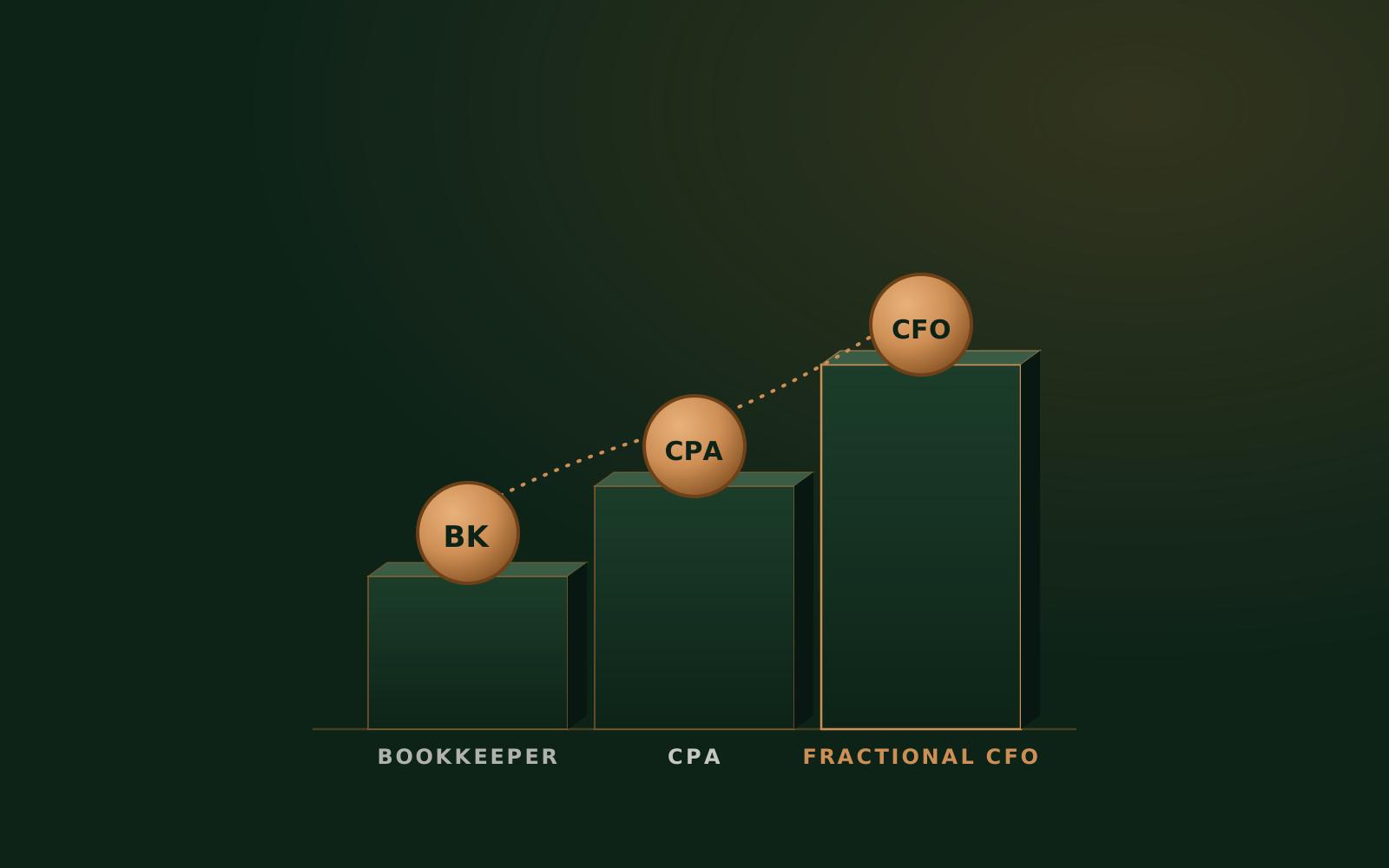
What worked at a smaller size — a bookkeeper and a spreadsheet — breaks down as headcount, transaction volume, and complexity increase. The finance function that got you here often can't get you to the next stage without strategic oversight added on top.
An upcoming fundraise, acquisition, or major financing decision
Investor-grade reporting, financial modelling, and cash runway planning become essential exactly when a business has the least spare capacity to build them internally. This is one of the most common reasons businesses engage fractional CFO support specifically for the duration of a raise or transaction.
Before you're ready for a full-time hire
Financial complexity often outgrows a bookkeeper or part-time accountant well before revenue or headcount justifies a six-figure full-time CFO salary. The fractional model exists specifically for that gap, and many businesses stay in it well past the point they could technically afford a full-time hire, simply because it continues to make sense.